






Why Is the Air End Vital In Air Compressor System?
The air end is the heart of any air compressor. Learn why it plays a more critical role than motors or controls, and how it affects efficiency and cost.

In an air compressor system, multiple components work together to deliver compressed air. Motors provide power, control systems manage operation, and filters protect downstream equipment. However, the air end remains the most critical component of all.
What Is an Air End?
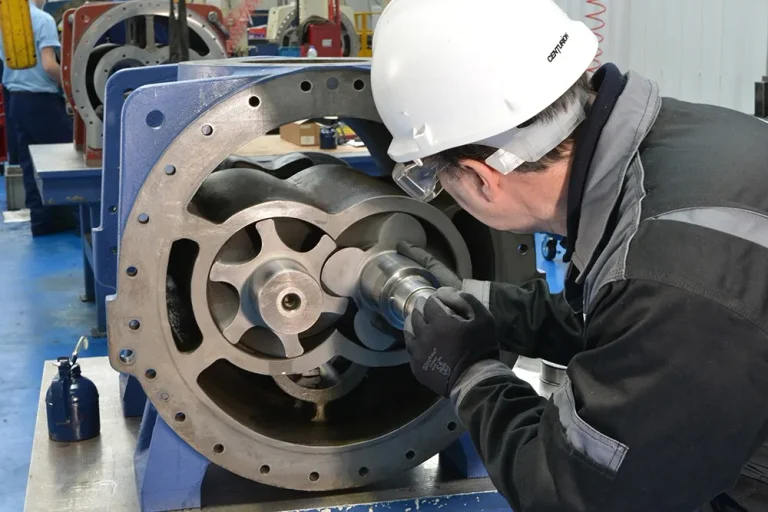
The air end is the core compression unit inside an air compressor. This is where ambient air is drawn in, compressed to the required pressure, and discharged into the system.
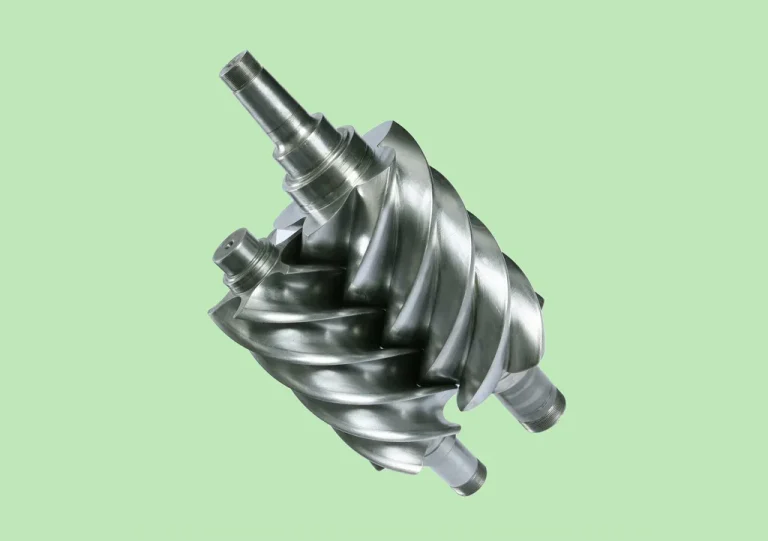
In rotary screw compressors, the air end consists of two precisely machined rotors that rotate at high speed. As air moves through the rotor chambers, its volume decreases and pressure increases, producing compressed air continuously and efficiently.
From an engineering perspective, the air end is the only component that directly defines the compression quality.
Air End vs. Other Compressor Components
| Component | Main Function | Impact on Performance |
| Air end | Compresses air | Determines efficiency, energy use, and reliability |
| Motor | Drives rotation | Affects operating stability |
| Air receiver | Stores air | Smooths pressure fluctuations |
| Filters & separators | Improve air quality | Protect system components |
| Control system | Manages operation | Enhances safety and automation |
While all these components are necessary, none influence the compressor’s core function as directly as the air end.
Why the Air End Matters More Than Anything Else
The Air End Defines Compression Efficiency
The internal geometry, rotor profile, and manufacturing accuracy of an air end directly affect energy efficiency.
Even small deviations in rotor clearance can lead to:
- Increased internal leakage
- Higher power consumption
- Reduced output efficiency
This is why high-quality air ends consistently deliver lower operating costs over time.
The Air End Experiences the Highest Mechanical Stress
Unlike external components, the air end operates under constant high pressure, high temperature, and high rotational speed.
Over time, normal wear inside the air end leads to gradual performance loss. If left unaddressed, this wear can significantly reduce compressor efficiency and reliability.
The Air End Has the Biggest Impact on Lifetime Costs
Energy consumption accounts for the majority of an air compressor’s total cost of ownership. Since the air end controls how efficiently air is compressed, it has the greatest influence on:
- Electricity costs
- Maintenance frequency
- Overall service life
A well-maintained air end can dramatically extend the economic lifespan of a compressor.
Air End Maintenance and Replacement Considerations
Experienced operators focus closely on air end condition rather than treating it as a sealed, untouchable component.
Best practices include:
- Monitoring temperature and power trends
- Listening for abnormal noise or vibration
- Evaluating air end overhaul or replacement when efficiency drops
Addressing air end issues early often prevents far more expensive system-wide problems.
Conclusion
The air end is not just another component — it is the true heart of an air compressor.
Understanding its role allows operators, engineers, and purchasing teams to make better decisions about maintenance, upgrades, and long-term investment value.